
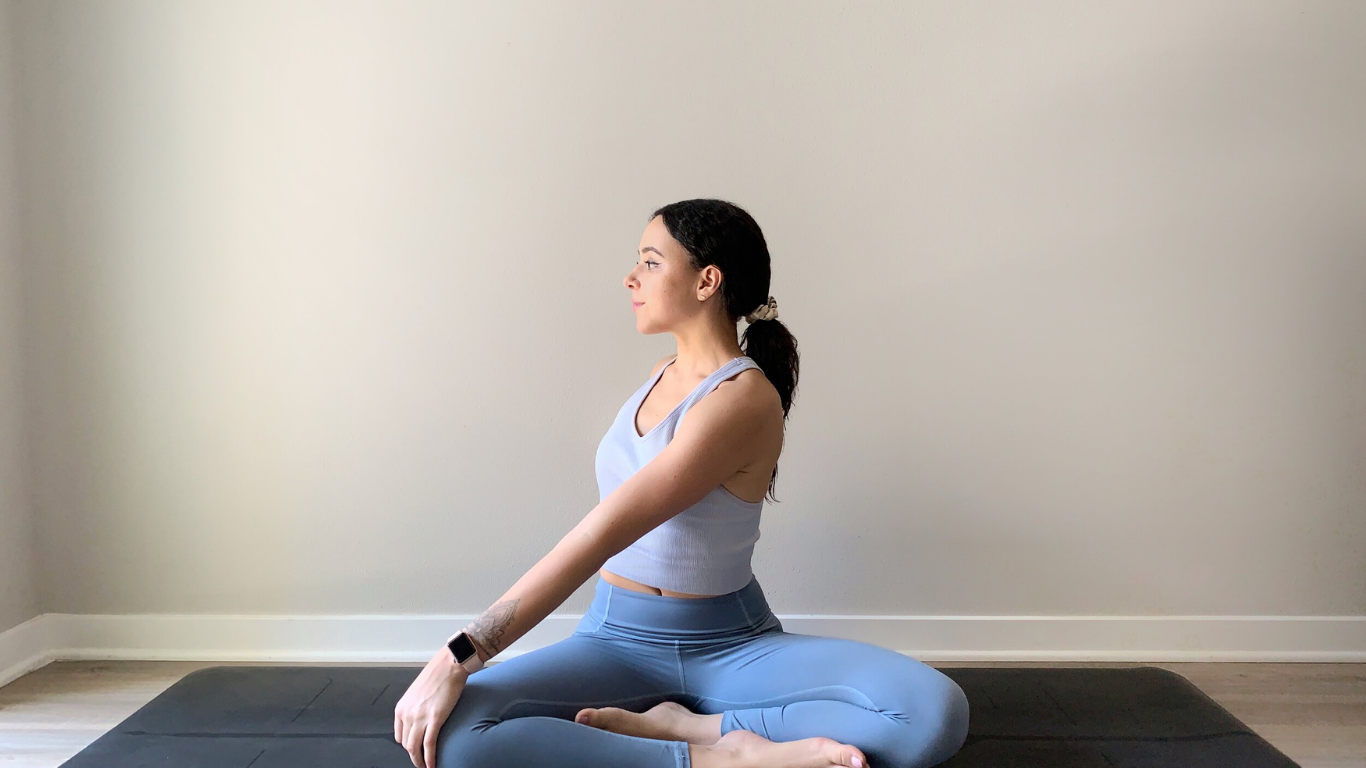
Yoga is an ancient practice that combines physical postures, breathing techniques, and mindfulness to improve overall health and well being. In today’s fast-paced world, yoga has become increasingly popular because it helps reduce stress, improve flexibility, and promote inner peace. If you are new to yoga, starting may feel confusing or intimidating. However, yoga is for everyone regardless of age, body type, or fitness level.This article is a complete beginner’s guide to yoga. It explains what yoga is, its benefits, basic poses, breathing techniques, and tips to help you start safely and confidently.
What Is Yoga
Yoga originated in India over 5,000 years ago. The word “yoga” comes from the Sanskrit word Yuj, which means “to unite” or “to join.” Yoga aims to unite the body, mind, and soul, helping individuals achieve balance and harmony in life.Unlike intense workouts, yoga focuses on gentle movements, controlled breathing, and mental awareness. It is not just exercise; it is a lifestyle that promotes physical health, mental clarity, and emotional stability.
Why Yoga Is Perfect for Beginners
Yoga is ideal for beginners because it can be adapted to suit any fitness level. You do not need to be flexible or strong to begin yoga. With regular practice, your strength, balance, and flexibility will gradually improve.
Some reasons yoga is beginner-friendly include:
-
Low risk of injury when practiced correctly
-
No expensive equipment required
-
Can be done at home or in a class
-
Focuses on gradual progress, not competition
Benefits of Yoga for Beginners
Improves Flexibility:
Many beginners worry they are “too stiff” for yoga. In reality, yoga helps increase flexibility over time. Regular stretching loosens tight muscles and improves joint mobility.
Builds Strength:
Yoga uses body weight to strengthen muscles. Poses like plank and downward-facing dog build core, arm, and leg strength without heavy equipment.
Reduces Stress and Anxiety:
Yoga encourages deep breathing and mindfulness, which calm the nervous system. This helps reduce stress, anxiety, and mental fatigue.
Improves Posture:
Poor posture can cause back and neck pain. Yoga helps align the spine and strengthens posture-supporting muscles.
Enhances Breathing:
Yoga teaches proper breathing techniques that improve lung capacity and oxygen flow throughout the body.
Promotes Better Sleep:
Relaxation techniques in yoga help quiet the mind, making it easier to fall asleep and enjoy deeper rest.
Types of Yoga Suitable for Beginners
Hatha Yoga:
Hatha yoga is one of the best styles for beginners. It focuses on basic poses, slow movements, and breathing exercises.
Vinyasa Yoga:
Vinyasa involves flowing movements synchronized with breath. Beginner-friendly vinyasa classes are gentle and improve coordination.
Yin Yoga:
Yin yoga involves holding poses for longer periods. It is slow and relaxing, making it suitable for beginners who want deep stretching.
Restorative Yoga:
This style uses props like pillows and blankets to support the body. It is excellent for relaxation and stress relief.
Essential Yoga Equipment for Beginners
You do not need much equipment to start yoga. Here are some basics:
-
Yoga Mat: Provides grip and cushioning
-
Comfortable Clothing: Stretchable and breathable
-
Yoga Blocks: Help support beginners in difficult poses
-
Yoga Strap: Improves flexibility and posture alignment
-
Quiet Space: A calm area to focus and relax
Basic Yoga Poses for Beginners
Mountain Pose (Tadasana)
This is a foundational standing pose that improves posture and balance.
-
Stand tall with feet together
-
Relax shoulders and engage core
-
Breathe deeply
Downward Facing Dog (Adho Mukha Svanasana)
This pose strengthens the body and stretches muscles.
-
Form an inverted “V” shape
-
Press hands and feet into the mat
-
Keep spine straight
Child’s Pose (Balasana)
A resting pose that relaxes the body.
-
Kneel and sit back on heels
-
Stretch arms forward
-
Rest forehead on the mat
Cat Cow Pose (Marjaryasana Bitilasana)
Improves spinal flexibility.
-
Move between rounded and arched spine
-
Coordinate movement with breath
Tree Pose (Vrikshasana)
Improves balance and focus.
-
Stand on one leg
-
Place other foot on calf or thigh
-
Join palms and breathe steadily
Breathing Techniques for Beginners
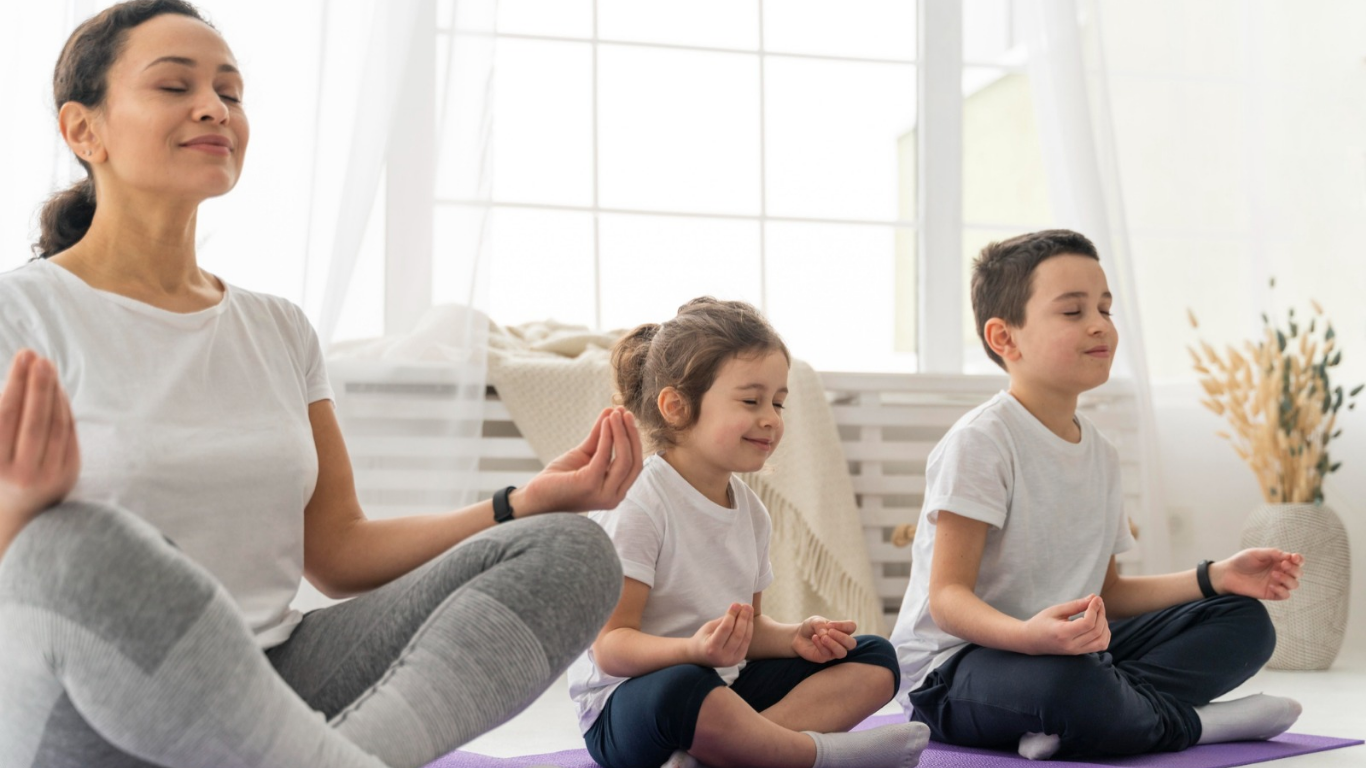
Deep Belly Breathing:
This technique helps relax the mind.
-
Inhale deeply through the nose
-
Expand the belly
-
Exhale slowly
Ujjayi Breathing:
Often used during yoga practice.
-
Breathe slowly through the nose
-
Slightly constrict the throat
-
Creates a soft ocean-like sound
Alternate Nostril Breathing (Nadi Shodhana)
Balances the nervous system.
-
Close one nostril and inhale
-
Switch nostrils and exhale
-
Repeat calmly
How Often Should Beginners Practice Yoga?
Beginners can start with 2 3 sessions per week, lasting 20 30 minutes each. As the body becomes accustomed, sessions can be increased to daily practice.Consistency is more important than intensity. Even short daily sessions can bring significant benefits over time.
Tips for Starting Yoga Safely
-
Listen to Your Body: Never force a pose
-
Warm Up Properly: Prevents injuries
-
Use Props: Support your body as needed
-
Stay Hydrated: Drink water before and after practice
-
Avoid Comparisons: Yoga is a personal journey
-
Learn from Professionals: Online videos or classes help beginners learn correct form
Common Mistakes Beginners Should Avoid
-
Holding breath during poses
-
Pushing beyond comfort level
-
Skipping warm-up and cool-down
-
Practicing on a full stomach
-
Expecting instant results
Yoga is about patience and progress, not perfection.
Yoga and Mental Wellness
Yoga not only benefits the body but also the mind. It teaches mindfulness, self-awareness, and emotional balance. Regular practice can help manage depression, anxiety, and negative thoughts.Meditation and relaxation techniques in yoga encourage inner peace and self-confidence, making it a holistic wellness practice.
Creating a Beginner Yoga Routine
A simple beginner routine may include:
-
Gentle warm up
-
Basic standing poses
-
Seated stretches
-
Breathing exercises
-
Relaxation or meditation
This balanced approach ensures physical movement and mental relaxation.
Conclusion:
Yoga for beginners is a gentle, effective way to improve physical health, mental clarity, and emotional balance. It does not require special skills, expensive equipment, or extreme flexibility. All you need is commitment, patience, and an open mind.By practicing yoga regularly, beginners can develop strength, flexibility, confidence, and inner peace. Whether you practice at home or join a class, yoga can become a lifelong companion for a healthy and balanced life.Start slow, stay consistent, and enjoy the journey of yoga because yoga is not about touching your toes, but about what you learn on the way down.more info…