
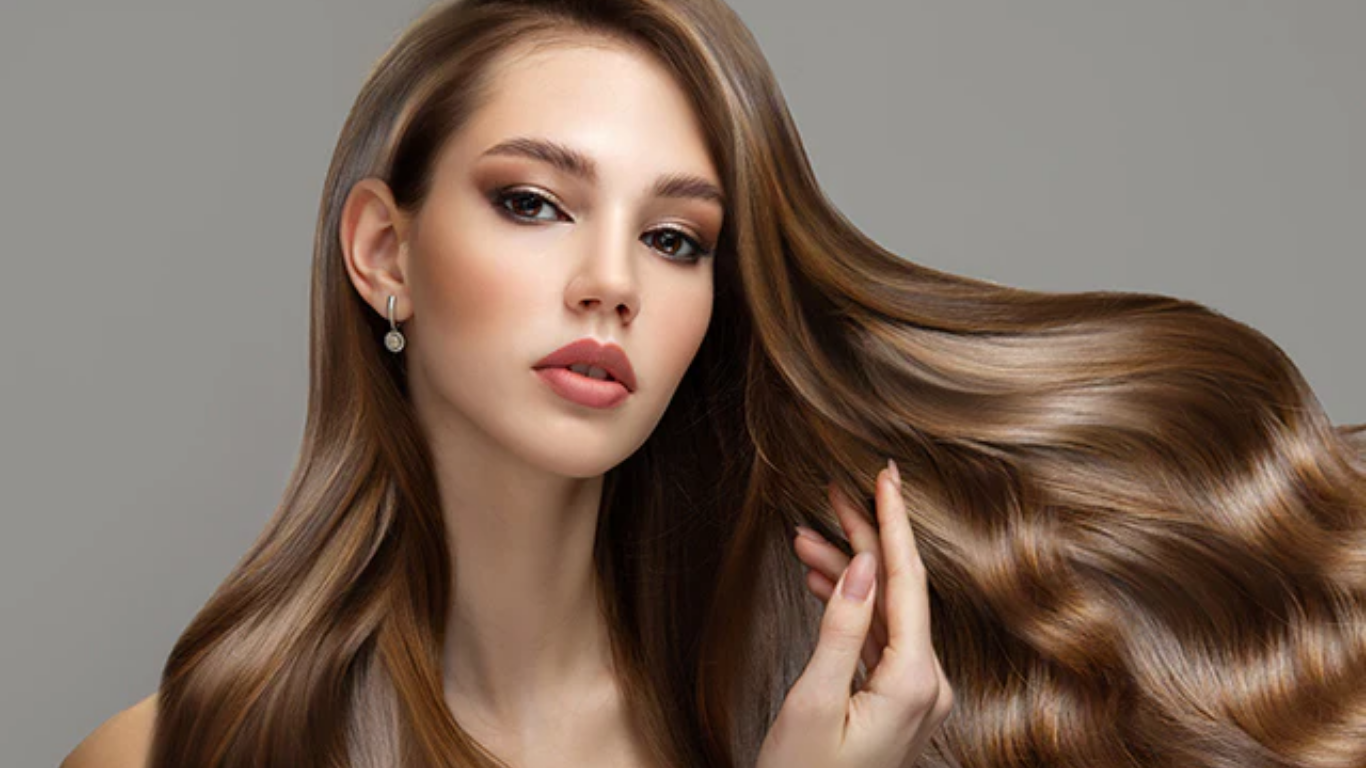
Healthy hair is often seen as a sign of beauty, confidence, and good health. However, maintaining strong and shiny hair requires proper care, patience, and the right habits. Factors such as pollution, stress, poor diet, excessive styling, and harsh chemicals can damage hair and lead to problems like hair fall, dryness, dandruff, and split ends.This article provides a detailed guide to hair care tips that help nourish the scalp, strengthen hair strands, and promote natural hair growth. Whether you have straight, curly, oily, or dry hair, these tips can help you achieve healthier and more beautiful hair.
Understanding Your Hair Type
Before starting any hair care routine, it is important to understand your hair type. Different hair types require different care methods.
Common Hair Types:
-
Normal hair: Balanced moisture and oil
-
Dry hair: Lacks moisture, often frizzy
-
Oily hair: Excess oil production on the scalp
-
Curly hair: Prone to dryness and breakage
-
Fine hair: Thin strands, easily damaged
-
Thick hair: Strong but may become dry or frizzy
Knowing your hair type helps you choose the right products and treatments.
Basic Hair Care Routine
A consistent hair care routine is the foundation of healthy hair.
Cleanse Properly:
Washing your hair removes dirt, oil, and product buildup. However, over-washing can strip natural oils.
Tips:
-
Wash hair 2 3 times a week
-
Use a mild, sulfate-free shampoo
-
Massage the scalp gently to improve blood circulation
Condition Regularly:
Conditioner restores moisture and smoothness to hair strands.
Tips:
-
Apply conditioner mainly to hair lengths, not the scalp
-
Leave it on for a few minutes before rinsing
-
Use a deep conditioner once a week
Dry Hair Gently:
Rough handling of wet hair can cause breakage.
Tips:
-
Avoid rubbing hair with a towel
-
Use a soft towel or cotton t shirt
-
Let hair air-dry whenever possible
Nourishing Hair from Within
Healthy hair starts with a healthy body.
Balanced Diet:
A nutrient-rich diet supports hair growth and strength.
Hair-friendly nutrients include:
-
Protein (eggs, fish, beans)
-
Iron (spinach, lentils)
-
Vitamins A, C, D, and E
-
Biotin and zinc
-
Omega 3 fatty acids
Stay Hydrated:
Drinking enough water keeps hair hydrated and prevents dryness.
Oiling and Massage for Hair Health
Hair oiling is a traditional and effective way to nourish hair and scalp.
Benefits of Hair Oiling:
-
Strengthens hair roots
-
Improves blood circulation
-
Reduces dryness and frizz
-
Promotes hair growth
Popular hair oils include:
-
Coconut oil
-
Olive oil
-
Almond oil
-
Castor oil
-
Argan oil
Massage oil into the scalp once or twice a week and leave it on for a few hours or overnight.
Natural Hair Care Remedies
Aloe Vera:
Aloe vera soothes the scalp, reduces dandruff, and adds shine.
Onion Juice:
Rich in sulfur, onion juice may help reduce hair fall and improve growth.
Yogurt and Honey Mask:
This mask moisturizes dry hair and improves texture.
Egg Mask:
Eggs are rich in protein and help strengthen hair strands.
Use natural masks once a week for best results.
Protecting Hair from Damage
Avoid Excessive Heat Styling:
Frequent use of hair dryers, straighteners, and curling irons can weaken hair.
Tips:
-
Limit heat styling
-
Use a heat protectant
-
Choose low-heat settings
Be Gentle While Styling:
Tight hairstyles can cause hair breakage and hair loss.
Avoid:
-
Tight ponytails
-
Excessive brushing
-
Pulling wet hair
Protect Hair from Environmental Damage:
Sun exposure, pollution, and chlorine can damage hair.
Tips:
-
Cover hair in strong sunlight
-
Rinse hair after swimming
-
Use protective hair products
Hair Care Tips for Different Hair Problems
Hair Fall:
-
Maintain a healthy diet
-
Reduce stress
-
Oil scalp regularly
-
Avoid harsh chemicals
Dandruff:
-
Use anti-dandruff shampoo
-
Apply tea tree oil or aloe vera
-
Keep scalp clean and dry
Dry and Frizzy Hair:
-
Use moisturizing shampoos
-
Apply leave-in conditioner
-
Avoid excessive washing
Oily Hair:
-
Wash hair more frequently with a gentle shampoo
-
Avoid heavy conditioners on the scalp
Trimming and Maintenance
Regular trimming prevents split ends and breakage.
Tips:
-
Trim hair every 6 8 weeks
-
Remove damaged ends
-
Avoid over-styling
Importance of Scalp Care
A healthy scalp is essential for healthy hair growth.
Scalp care tips:
-
Keep scalp clean
-
Massage regularly
-
Avoid product buildup
-
Treat scalp conditions early
Hair Care and Stress Management
Stress can lead to hair fall and poor hair health.
Stress-relief practices include:
-
Meditation
-
Yoga
-
Exercise
-
Adequate sleep
Managing stress helps maintain hair health naturally.
Common Hair Care Mistakes to Avoid
-
Over-washing hair
-
Using too many products
-
Skipping conditioner
-
Ignoring scalp health
-
Expecting instant results
Hair care requires patience and consistency.
Hair Care Tips for Men and Women
Hair care basics apply to everyone, regardless of gender. Men and women should focus on:
-
Clean scalp
-
Balanced diet
-
Gentle styling
-
Proper hair products
Creating a Personalized Hair Care Routine
A simple routine may include:
-
Gentle shampooing
-
Conditioning
-
Weekly oil massage
-
Natural hair masks
-
Regular trimming
Customize your routine based on your hair type and lifestyle.
Conclusion:
Hair care is not just about appearance; it reflects overall health and self-care habits. By understanding your hair type, following a balanced routine, eating nutritious foods, and protecting hair from damage, you can achieve healthy, strong, and beautiful hair naturally.Consistency is the key to effective hair care. Small daily habits, when practiced regularly, can lead to noticeable improvements over time. Treat your hair with care, patience, and love, and it will reward you with strength and shine.more info…