
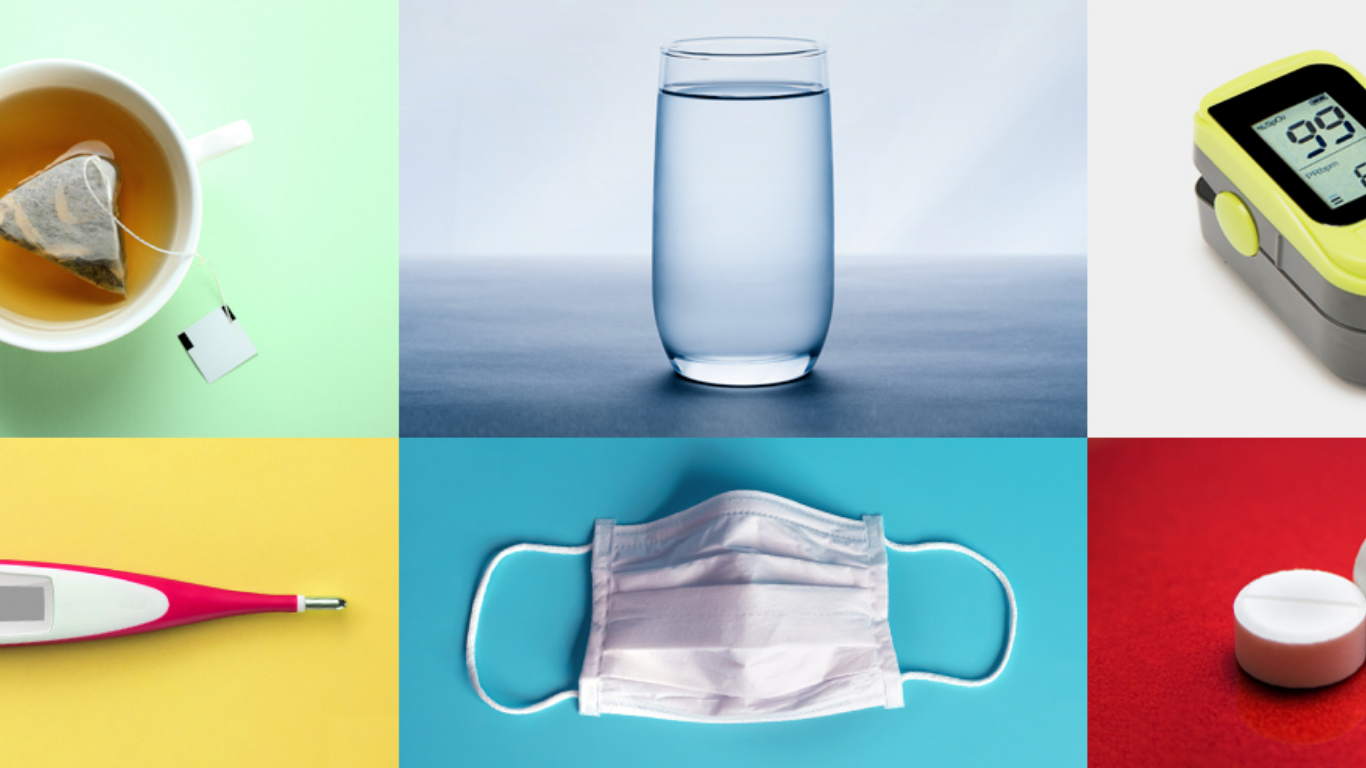
Recovering from COVID 19 can be a gradual process that requires patience, care, and a holistic approach to health. While many people recover within a few weeks, others may experience lingering symptoms such as fatigue, breathlessness, weakness, brain fog, or emotional distress. Proper recovery is essential to restore physical strength, mental well-being, and overall quality of life.Covid recovery does not end when the test becomes negative. The body needs time and support to heal from the effects of the virus. This article provides detailed, practical tips to help individuals recover safely and effectively after COVID 19 infection.
Understanding Covid Recovery
COVID-19 affects individuals differently. Recovery time depends on factors such as age, severity of infection, existing health conditions, and access to proper care.
Common Post Covid Symptoms:
-
Fatigue and weakness
-
Shortness of breath
-
Persistent cough
-
Muscle and joint pain
-
Loss of taste or smell
-
Brain fog and memory issues
-
Anxiety or depression
-
Sleep disturbances
Recognizing these symptoms helps individuals take appropriate steps toward recovery.
Importance of Proper Covid Recovery
Post-Covid care is crucial because ignoring symptoms or returning to normal activities too quickly can slow healing and increase the risk of complications.
Benefits of proper recovery include:
-
Faster return to normal energy levels
-
Reduced risk of long-term complications
-
Improved lung and heart health
-
Better mental and emotional well-being
-
Stronger immune system
Rest and Sleep The Foundation of Recovery
Rest is the most important part of Covid recovery.
Tips for effective rest:
-
Get 7–9 hours of quality sleep each night
-
Take short naps if needed, but avoid excessive daytime sleeping
-
Maintain a regular sleep schedule
-
Create a calm and comfortable sleep environment
Sleep allows the body to repair tissues, strengthen immunity, and restore energy.
Nutrition for Post Covid Recovery
A balanced and nutritious diet plays a vital role in healing and rebuilding strength.
Eat a Balanced Diet:
Include a variety of:
-
Fresh fruits and vegetables
-
Whole grains
-
Lean proteins
-
Healthy fats
Focus on Protein Intake:
Protein helps repair muscles and tissues damaged during illness.
Sources:
-
Eggs
-
Fish
-
Chicken
-
Lentils and beans
-
Dairy products
Boost Immunity with Vitamins and Minerals:
-
Vitamin C: Supports immune function (citrus fruits, guava, berries)
-
Vitamin D: Helps recovery and bone health (sunlight, fortified foods)
-
Zinc: Aids healing (nuts, seeds, whole grains)
Stay Hydrated:
Drink plenty of water to:
-
Prevent dehydration
-
Reduce fatigue
-
Support organ function
Herbal teas, soups, and fresh juices can also help.
Gradual Physical Activity
Returning to physical activity should be slow and gradual.
Tips for safe exercise:
-
Start with light activities like walking or stretching
-
Avoid overexertion
-
Increase intensity gradually
-
Stop if you feel dizzy, breathless, or extremely tired
Benefits of gentle exercise:
-
Improves lung capacity
-
Restores muscle strength
-
Enhances circulation
-
Boosts mood and energy
Always consult a healthcare provider before resuming intense exercise, especially after moderate or severe COVID 19.
Breathing Exercises for Lung Recovery
COVID 19 can affect lung function, making breathing exercises essential.
Simple breathing techniques:
-
Deep breathing: Inhale slowly through the nose, exhale through the mouth
-
Diaphragmatic breathing: Focus on expanding the abdomen
-
Pursed-lip breathing: Helps reduce shortness of breath
Practice breathing exercises for a few minutes, several times a day.
Managing Fatigue and Weakness
Post-Covid fatigue is common and can last for weeks.
Tips to manage fatigue:
-
Prioritize tasks and rest between activities
-
Avoid pushing yourself too hard
-
Maintain a balanced daily routine
-
Eat small, frequent meals
-
Stay hydrated
Listening to your body is essential during recovery.
Mental Health and Emotional Well Being
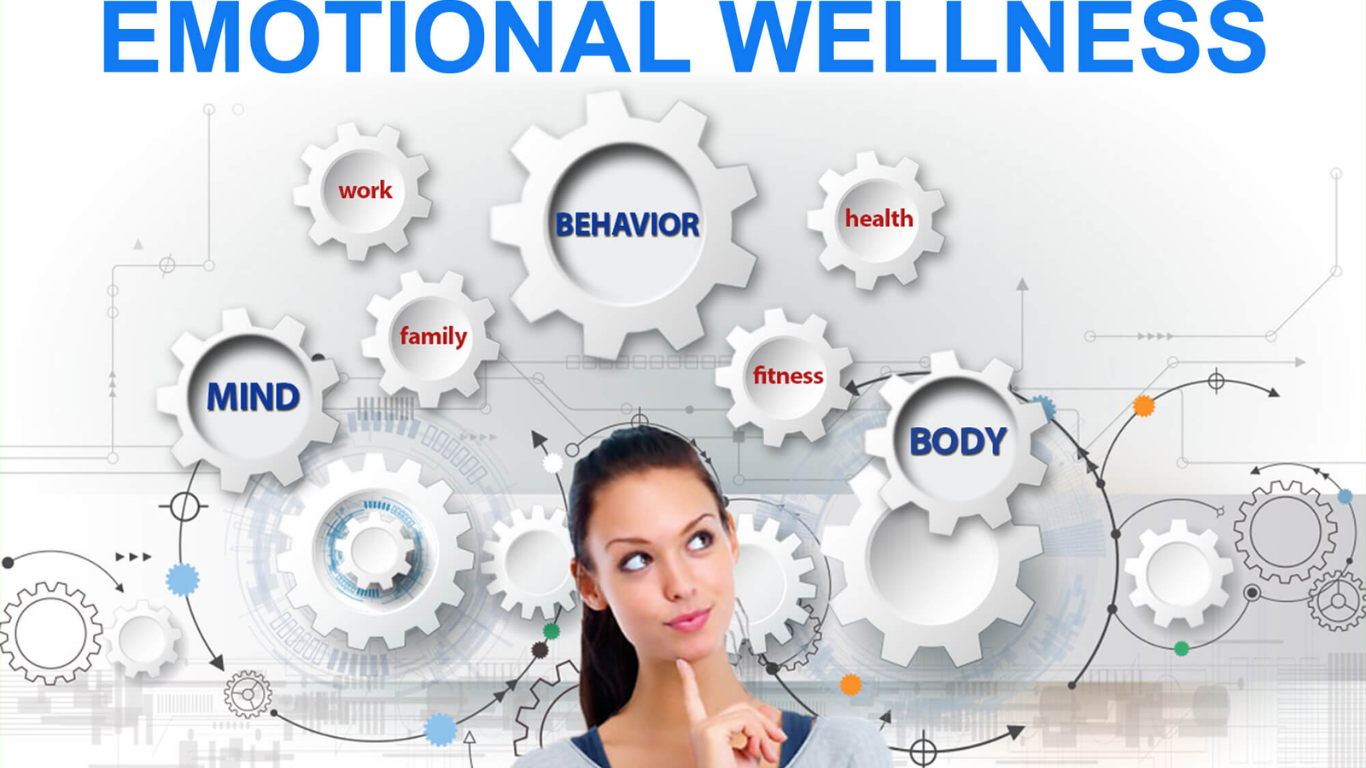
COVID 19 recovery affects mental health as much as physical health.
Common emotional challenges:
-
Anxiety
-
Depression
-
Mood swings
-
Fear of reinfection
Tips for mental well being:
-
Practice mindfulness or meditation
-
Stay connected with family and friends
-
Limit exposure to negative news
-
Engage in hobbies and relaxing activities
-
Seek professional help if needed
Mental healing is a vital part of overall recovery.
Regaining Taste and Smell
Loss of taste and smell is a common Covid symptom that may persist after recovery.
Helpful strategies:
-
Smell training using essential oils (rose, lemon, eucalyptus)
-
Eat flavorful but healthy foods
-
Maintain good oral hygiene
-
Be patient, as recovery can take time
Most people regain these senses gradually.
Managing Post Covid Cough and Chest Discomfort
A lingering cough can be uncomfortable.
Tips to relieve symptoms:
-
Stay hydrated
-
Use steam inhalation
-
Avoid smoking and pollution
-
Practice breathing exercises
-
Follow medical advice if symptoms persist
Importance of Follow Up Medical Care
Regular follow-ups help identify and manage post-Covid complications.
Seek medical advice if you experience:
-
Severe or worsening breathlessness
-
Chest pain
-
Persistent high fever
-
Extreme fatigue
-
Irregular heartbeat
Timely care prevents long-term health issues.
Strengthening Immunity After Covid
Rebuilding immunity is essential to prevent reinfection and other illnesses.
Immunity boosting habits:
-
Eat nutrient-rich foods
-
Maintain proper sleep
-
Stay physically active
-
Manage stress
-
Avoid smoking and excessive alcohol
A strong immune system supports long-term health.
Covid Recovery for Older Adults
Elderly individuals may require extra care during recovery.
Special considerations:
-
Monitor symptoms closely
-
Ensure proper nutrition and hydration
-
Prevent falls and injuries
-
Encourage gentle movement
-
Provide emotional support
Family involvement is crucial for elderly recovery.
Covid Recovery at Home Practical Tips
-
Maintain a clean and ventilated living space
-
Follow medication schedules
-
Avoid overcrowded places initially
-
Wear a mask if advised
-
Practice good hygiene
Home care plays a key role in safe recovery.
Avoiding Common Mistakes During Recovery
-
Returning to work too early
-
Ignoring persistent symptoms
-
Skipping meals or hydration
-
Overexercising
-
Self medicating without guidance
Patience and consistency are essential.
Long Covid When Recovery Takes Longer
Some individuals experience symptoms lasting more than 12 weeks, known as Long Covid.
Common Long Covid symptoms:
-
Chronic fatigue
-
Brain fog
-
Breathlessness
-
Sleep problems
Management includes medical support, lifestyle changes, and rehabilitation programs.
Conclusion:
Covid recovery is a gradual journey that requires physical rest, proper nutrition, mental care, and patience. Every individual’s recovery process is unique, and healing should not be rushed. By focusing on healthy eating, adequate sleep, gentle physical activity, emotional well-being, and regular medical follow-ups, individuals can regain strength and return to normal life safely.Taking care of your body after COVID 19 is an investment in long-term health. With the right approach, consistent habits, and professional guidance when needed, full recovery is achievable. Remember, listening to your body and giving it time to heal is the most important step toward a healthy future.more info…